

72 inch bathroom mirror
Understanding the Thread Plug Gauge and JIS Standard In the world of precision machining and quality control, ensuring that threaded components meet established specifications is vital for performance and reliability. One of the essential tools in this process is the thread plug gauge, which is commonly used to check the internal threads of a workpiece. In Japan, the Japanese Industrial Standards (JIS) provide guidelines for these gauges, ensuring consistency and quality across industries. What is a Thread Plug Gauge? A thread plug gauge is a cylindrical tool designed to measure the acceptance of internal threads in components such as nuts and tapped holes. It is typically made of high-strength steel and features a male threaded section that matches the dimensions of the threads being tested. The gauge comes in two main forms the go gauge and the no-go gauge. The go gauge is used to check whether the internal thread can accept a mating component, while the no-go gauge ensures that the thread does not exceed specified tolerances. The Importance of Thread Gauges Using thread plug gauges is crucial for ensuring the interchangeability of parts, which is a key factor in manufacturing. If the threads of a component are out of specification, it can lead to assembly issues, reduced functionality, and potential failures. Therefore, regular use of thread gauges helps maintain quality control and enhances the overall reliability of mechanical assemblies. JIS Standards and Their Relevance The Japanese Industrial Standards (JIS) emerged post-World War II as a way to standardize industrial practices in Japan, ensuring that products meet a consistent level of quality. The JIS standards for thread gauges cover various aspects, including dimensions, tolerances, and manufacturing processes. These standards are crucial for companies aiming to export goods to Japan or engage in international trade, as adherence to JIS can open up markets and increase consumer trust. A precise understanding of the JIS standards related to thread plug gauges helps manufacturers ensure that their products meet the stringent requirements of the Japanese market. For example, the sizes and tolerances specified in the JIS outline precise measurements for Unified threads, Metric threads, and more specialized forms of thread forms. This standardization facilitates clearer communication between manufacturers and suppliers, reducing errors and boosting efficiency. thread plug gauge jis standard Choosing the Right Thread Plug Gauge When selecting a thread plug gauge, it’s essential to consider several factors, including 1. Thread Type Different applications might require specific types of threads (e.g., metric or imperial). Ensuring the gauge matches the thread type is critical. 2. Material and Durability Given that gauges face continuous use, selecting high-quality materials is vital for maintaining performance over time. 3. Calibration It is essential to calibrate gauges regularly to adhere to testing accuracy. The process should follow JIS or other international standards to maintain reliability. 4. User Training Proper training for operators on how to use and interpret the results from thread plug gauges is necessary for achieving accurate quality control. 5. Quality Assurance Procedures Establishing clear standards for monitoring and evaluating gauge performance can significantly enhance overall product quality. Conclusion In conclusion, the thread plug gauge is an indispensable tool in the quality control process within manufacturing industries, especially for those dealing with threaded components. The adherence to JIS standards ensures that these gauges meet quality and performance expectations, thereby supporting manufacturers in producing reliable products. By understanding the specifications and the importance of these gauges, companies can improve their quality assurance processes, minimize production issues, and ultimately deliver superior products to the market. Embracing such standards not only enhances operational efficiency but also fosters customer satisfaction and trust in their products. In an increasingly globalized economy, aligning with recognized standards like JIS becomes more critical than ever for businesses striving to compete effectively.
about
72 inch bathroom mirror
Understanding M3 Thread Gauge A Comprehensive Guide Thread gauges are essential tools in engineering and manufacturing, providing a means to measure and verify the dimensions of threads on various components. Among these gauges, the M3 thread gauge is significant, particularly in precision machining and testing applications. This article explores what an M3 thread gauge is, its importance, uses, and how it differs from other types of thread gauges. What is an M3 Thread Gauge? The M3 thread gauge specifically gauges metric threads with a nominal diameter of 3 millimeters. The M designation indicates that it is a metric thread, which is commonly used in various industries, including automotive, aerospace, and electronics due to the global adoption of metric measurements. The 20 signifies the pitch of the thread, which refers to the distance between the crests of two adjacent threads, measured in millimeters. In this case, a 20-pitch designation is actually incorrect for an M3 thread, as the typical pitch for M3 is 0.5 mm. Thus, when using the M3 thread gauge, we are generally focused on a gauge that measures 3 mm diameter with a standard 0.5 mm pitch. Importance of Thread Gauges Accurate threading is crucial for the proper functioning of mechanical assemblies. Threads are used to join two or more components together securely. If the threads are not correctly formed or do not meet specified tolerances, it can lead to assembly issues, loss of structural integrity, and even catastrophic failures in critical applications. The M3 thread gauge serves to ensure that the threads meet specific criteria for diameter, pitch, depth, and shape. Using a thread gauge enhances quality control by enabling manufacturers to verify that parts conform to design specifications before they are assembled or shipped. Applications of M3 Thread Gauge The M3 thread gauge is particularly relevant in various industries that demand high precision. In the automotive sector, it is used for components such as bolts and nuts that require fine threading for secure connections. Similarly, the electronics industry relies on M3 threads in devices where small sizes and precise fittings are critical, like circuit boards and enclosures. Additionally, the aerospace industry values such fine precision as even minute errors in thread specifications could lead to jeopardous outcomes given the nature of high-stakes applications. In quality assurance laboratories, M3 thread gauges are invaluable tools. Quality control technicians use these gauges to measure and verify the thread characteristics of components during production runs to maintain consistency and adherence to industry standards. m3 thread gauge How to Use the M3 Thread Gauge Using the M3 thread gauge is a straightforward process, but it requires meticulousness and attention to detail. Here are the steps typically involved 1. Preparation Ensure the component being measured is clean and free from debris, as dirt can affect the accuracy of the measurement. 2. Selection of Gauge Choose the appropriate M3 thread gauge which matches the specifications of the thread you are measuring. It typically comes as a set with different profiles for various pitches. 3. Insertion Gently insert the gauge into the threaded hole of the component. It should fit snugly but without excessive force. 4. Examination Look for any discrepancies between the gauge and the component. If it fits, the threading is likely correct; if not, there may be an issue with the thread quality. 5. Documentation Record the results of the use of the gauge for quality control records or production tracking. Conclusion In conclusion, the M3 thread gauge is an indispensable tool in the arsenal of anyone involved in precision engineering and manufacturing. It not only ensures the integrity of threaded components but also plays a pivotal role in maintaining quality standards across various industries. By understanding and properly using this tool, manufacturers can avoid costly mistakes and ensure product reliability. Whether in automotive, aerospace, or electronics, the significance of thread gauges, particularly the M3, cannot be overstated. Their precise and methodical application fosters innovation and quality in engineering design and manufacturing processes.
-

High quality industrial productsagement

High quality industrial products
View Details -

Meet the diverse needs of customers

Meet the diverse needs of customers
View Details -

Strict quality control

Strict quality control
View Details -

Top raw materials

Top raw materials
View Details -

Trusted supplier

Trusted supplier
View Details
Our application
news and information
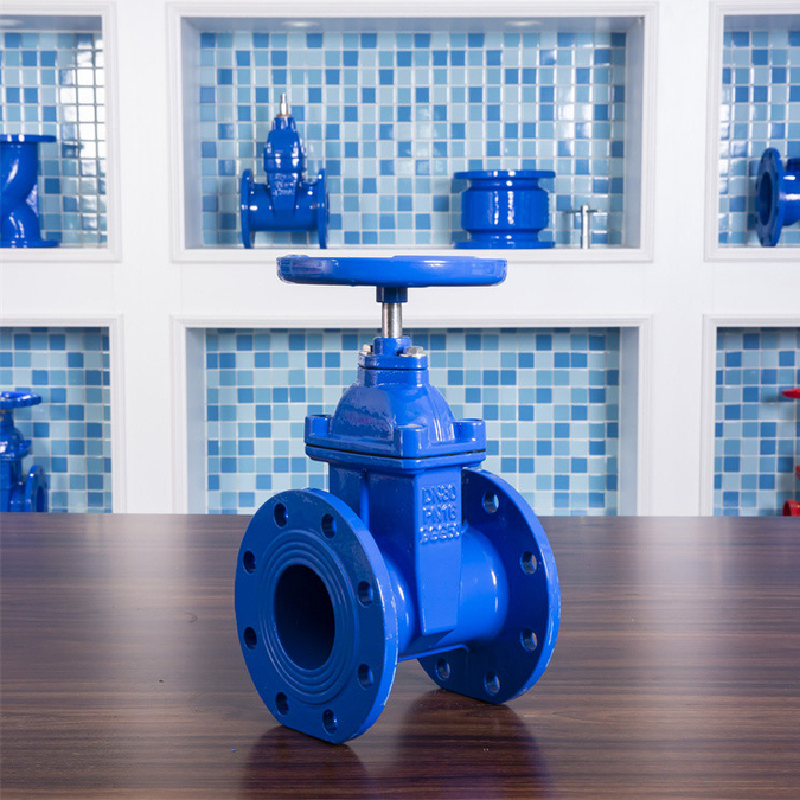
Water Pressure Regulation Using Check Valves for Efficient System Performance
Water Pressure Check Valves Importance, Functionality, and Maintenance Water pressure check valves a

V Blocks for Precision Machining and Tool Alignment in Manufacturing Processes
Understanding V Blocks for Machining Essential Tools for Precision Work In the realm of machining, p

vanne de porte
Les vannes sont des composants essentiels dans les systèmes de tuyauterie et de distribution de flui
 English